Essential Maintenance Tips for Roof Skylights: Keeping Your Home Bright Year-Round
Routine seasonal care of roof skylights is critical for sustaining their effectiveness and improving natural light throughout the home. Each season presents unique challenges that can affect both performance and aesthetics. Routine care can minimize concerns such as water leaks, moisture buildup, and thermal damage. Understanding the specific tasks required for each season can guarantee that skylights continue to serve their purpose effectively. The following sections will detail key maintenance recommendations for each time of year.
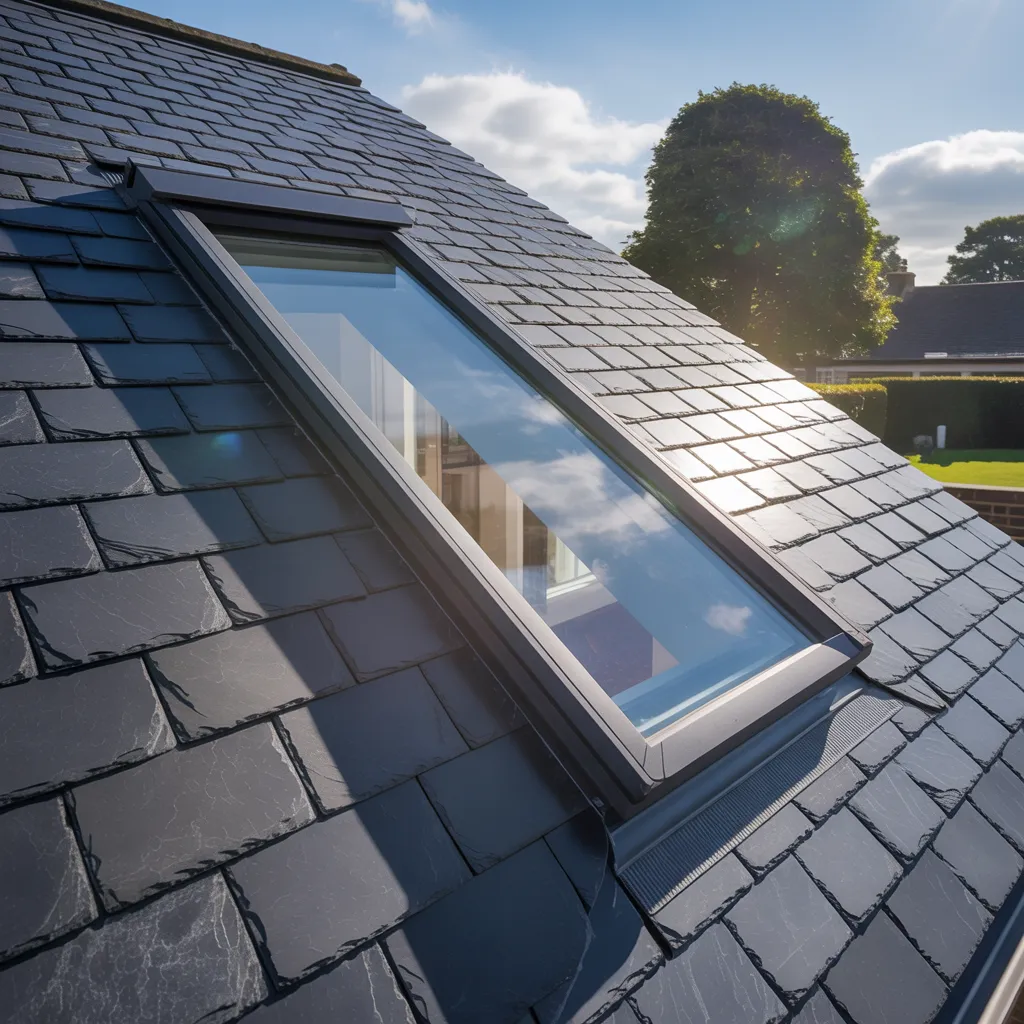
Why Routine Skylight Maintenance Is Important
Consistent skylight care is vital for maintaining the lifespan and effectiveness of these structural elements. With time, skylights tend to collect dirt, debris, and moisture, which can result in reduced light transmission and possible water leaks. Scheduled examinations aid in recognizing any evidence of damage, such as cracks or seals that need replacement.
Preserving skylights doesn't just improve their aesthetic appeal but also aids in energy efficiency. Routinely maintained skylights can considerably lower the need for man-made lighting, thereby reducing energy costs. In addition, consistent maintenance can prevent more costly repairs in the future, safeguarding the integrity of the structural integrity of the roof.
Seasonal Concerns for Roof Skylights
Skylights face unique challenges throughout the seasons, each introducing distinct problems that may compromise their efficiency and condition. In spring, intense rainfall can cause leaks when seals become damaged, with pollen gathering on surfaces and diminishing light transmission. Summer brings intense heat and UV exposure, that can deteriorate the structural components over time, potentially leading to discoloration or warping.
As the fall season begins, falling leaves and debris can block drainage systems, raising the likelihood of water accumulation. Winter's cold temperatures bring their own challenges; snow and ice may build up, placing excess weight and creating structural stress. Furthermore, freezing temperatures may lead to condensation buildup, additionally increasing the chances of mold or mildew growth.
Understanding these cyclical difficulties is important for residents to ensure their skylights stay bright, functional, and undamaged throughout the seasons. Proactive measures can address these potential issues, maintaining both aesthetics and utility.
Fall Skylight Maintenance: Clear Debris and Prepare for Winter
When autumn leaves start to fall, homeowners should make skylight maintenance a priority to ensure optimal performance during the winter months. Debris accumulation, such as leaves and twigs, can obstruct sunlight and lead to potential water damage. Cleaning the skylight frames and surrounding areas is essential to ensuring proper drainage and preventing blockages.
Homeowners ought to also examine the seals and flashing around the skylights for any signs of wear or damage. Swapping out damaged seals can assist in preserving energy efficiency and avoiding leaks during severe winter conditions. Additionally, eliminating any moss or algae buildup is essential, as these organisms can accelerate deterioration over time.
Winter Skylight Preservation: Controlling Condensation and Ice Development
Cold weather care of skylights is vital for eliminating condensation and frost explore article buildup. Reliable insulation and sealing strategies can considerably decrease moisture collection, while regular cleaning practices help maintain ideal performance. Moreover, applying freeze prevention techniques keeps skylights clear and fully functional across the coldest months.
Insulation and Sealing Strategies
Appropriate insulation and thorough sealing are critical for keeping skylights in good condition during winter months, as they help prevent condensation and ice buildup. Homeowners ought to initially evaluate the insulating materials around the skylight. Utilizing premium, energy-efficient insulation can reduce heat loss, lowering the chances of condensation. Additionally, weatherstripping should be applied around the perimeter of the skylight to establish a secure seal, stopping cold air from entering the area. Owners may also consider using insulated blinds or shades to offer an additional barrier against temperature changes. Routinely examining these areas for wear and deterioration is necessary, as even tiny openings can cause considerable moisture concerns. Proper insulation and sealing guarantee skylights remain functional and energy-efficient throughout winter.
Regular Cleaning Practices
Ensuring skylights are properly cleaned is a key component in preventing condensation and ice buildup during the winter season. Consistent cleaning clears away dirt, dust, and debris that can retain moisture, resulting in condensation on the inside surface. It is recommended that homeowners clean skylights no fewer than twice over the winter season. A soft cloth or sponge, along with a mild soap solution, can effectively eliminate grime without damaging the glass surface. It is equally important to check for any signs of damage or wear in the skylight seals during cleaning. Making sure the exterior remains clear by snow or ice is crucial, as this encourages adequate drainage and airflow. These maintenance practices greatly help to maintaining a bright, inviting atmosphere indoors across the colder season.
Frost Prevention Techniques
To stop frost from developing on skylights throughout the colder months, homeowners can implement several effective strategies. As a starting point, guaranteeing proper insulation around the skylight will assist in preserving interior temperatures, reducing the risk of condensation. In addition, using insulated or double-glazed skylights can considerably decrease heat loss. Homeowners should also think about fitting a skylight vent, which can encourage air circulation and reduce moisture levels inside the home. Routinely inspecting and replacing weather stripping is essential to stop drafts and dampness from seeping in. Beyond that, keeping a steady interior temperature can help stabilize humidity, consequently limiting frost development. By following these measures, homeowners can successfully reduce frost accumulation and ensure their skylights stay clear and operational during the winter months.
Spring Skylight Maintenance: Examine and Wash Your Skylights
When spring comes around, homeowners should turn their attention to skylight maintenance, making certain these features stay functional and visually appealing. The shift in seasons presents an ideal time for a thorough inspection and cleaning. Homeowners should commence by checking the skylight for any indications of damage, such as splits or water infiltration, which could lead to more significant issues if ignored.
Additionally, cleaning the skylight's surface is crucial for the best possible light entry. A mixture of gentle soap and water can effectively remove contaminants and particles. Be sure to stay away from caustic substances that might damage the frame or glass.
In addition, examining the seals and trim around the skylight guards against water intrusion. Any wear or deterioration should be repaired promptly. By investing time in these tasks in spring, homeowners can be confident their skylights keep enhancing their living areas throughout the year.
Summertime Skylight Upkeep: Protecting From UV Rays and Heat
Throughout the summer season, effective skylight maintenance is vital for protecting interiors from harmful UV rays and elevated temperatures. Property owners should look into applying UV-resistant window films to their skylights, which can greatly reduce glare and prevent discoloration of furniture and home decor. Routine checks for any indications of wear or damage to seals and frames are essential; weakened seals can contribute to thermal infiltration and higher energy expenses.
Furthermore, incorporating exterior shading options, such as canopies or blinds, can be helpful in reducing harsh sunlight penetration. It is also advisable to establish effective ventilation in the zone below the skylights to help control temperature and minimize heat accumulation. By adopting these forward-thinking strategies, property owners can preserve a pleasant interior atmosphere while benefiting from the natural illumination skylights offer, effectively transforming their living areas during the warm summer months.
Key Skylight Care Tips for Every Season
Routine skylight upkeep is crucial for ensuring durability and optimal performance all year long. Homeowners should begin by inspecting the skylights regularly for signs of leaks or damage, particularly after severe weather. Washing the glass and frames a minimum of two times annually aids in preserving clarity and stops grime accumulation, which may block natural light. Moreover, examining and eliminating any refuse from adjacent areas, such as foliage and branches, can reduce blockages that contribute to water pooling.
It is equally important to ensure that flashing is secure and adequately sealed to stop water from seeping in. For energy efficiency, think about installing window film or shades to manage heat levels and limit ultraviolet deterioration. Lastly, when any concerns are discovered, including cracks or notable deterioration, prompt repair or professional consultation is advisable to prevent further deterioration. Consistent attention to these aspects will keep skylights functional and enhance the home's ambiance.

Common Questions and Answers
How Often Should I Replace My Skylight Seals?
Skylight seals require replacement every five to ten years, based on environmental conditions and materials used. Regular inspections can help identify deterioration, guaranteeing optimal performance and preventing leaks, thereby preserving the skylight's functionality and appearance.
Can I Do a Skylight Installation Myself?
Setting up skylights independently is achievable for people experienced in construction work, but it necessitates meticulous preparation and conformity with building codes. Consulting professionals is encouraged to secure accurate setup and steer clear of potential issues associated with moisture infiltration or building stability.
Which Skylight Types Offer the Greatest Energy Efficiency?
The top energy-efficient skylight options commonly include double or triple-pane glazing, low-emissivity (Low-E) coatings, and high-performance insulated frames. These features limit heat transmission, improve insulation, and reduce energy costs while preserving optimal natural light in a home.
How Can I Select the Correct Skylight Size?
To choose the ideal size skylight, it is important to evaluate the room's measurements, ceiling height, and the desired amount of light. A standard rule of thumb recommends a skylight area of between 10% and 15% of the room's floor area for ideal brightness.
Can You Get Skylights That Open for Ventilation?
Indeed, there are skylights specifically created for ventilation purposes. These functional skylights are available in manual or electronic opening options, allowing fresh air to circulate while providing natural light, enhancing comfort and air quality in the living space.